
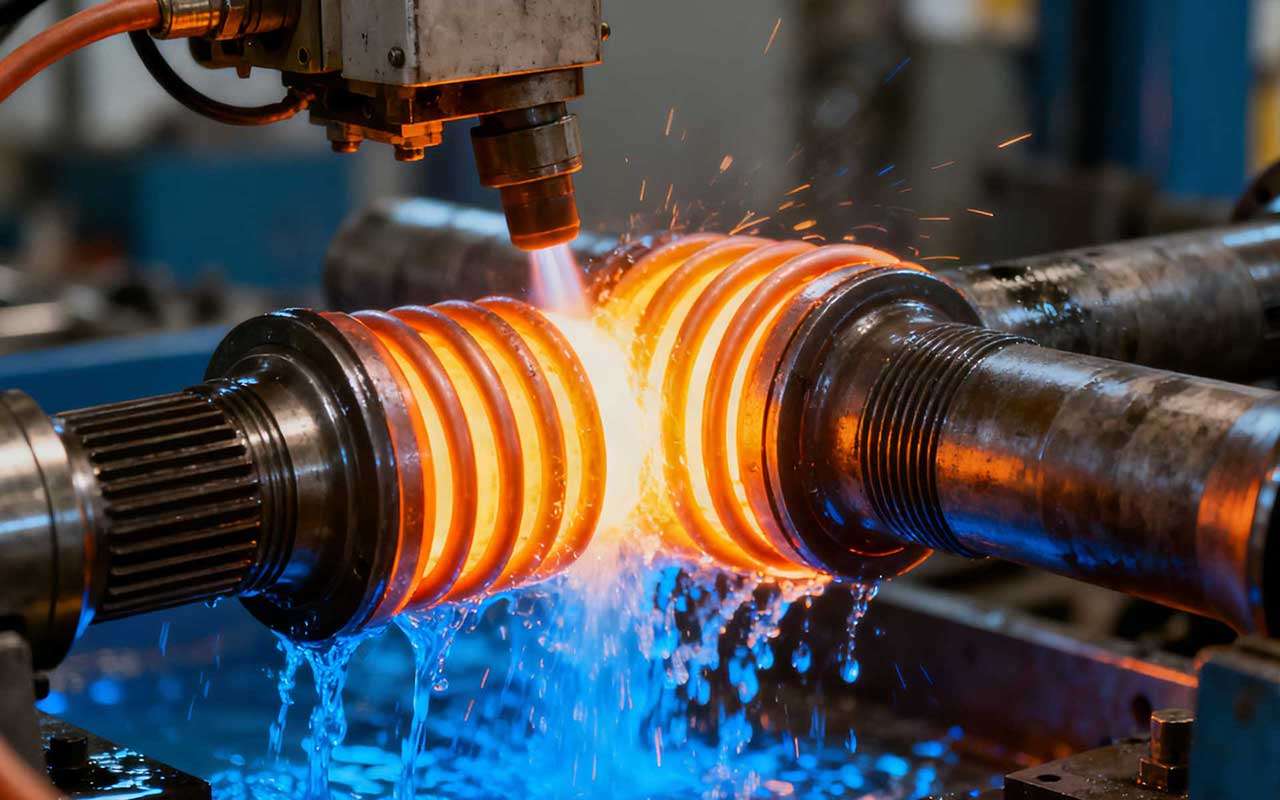
In today’s fast-paced manufacturing, automotive, and metalworking industries, efficiency and precision are non-negotiable—and the induction heating machine stands out as a game-changer. Unlike traditional heating methods (such as flame or resistance heating), induction heating uses electromagnetic induction to generate heat directly within the material, cutting down on energy waste, reducing process time, and improving product quality.
Whether you’re a small workshop owner or a large-scale manufacturer, understanding how to select, use, and maintain an induction heating machine can transform your operations. Let’s dive into everything you need to know to make the most of this technology.
What Is an Induction Heating Machine, and How Does It Work?
Before we explore the benefits and applications, let’s break down the basics: An induction heating machine is a device that uses electromagnetic induction to heat conductive materials (like steel, aluminum, copper, or brass) without direct contact. Here’s a simplified breakdown of its working principle:
- Electromagnetic Field Generation: The machine’s power supply converts AC electricity into high-frequency AC (typically 1 kHz to 400 kHz). This current flows through an induction coil (often made of copper tubing).
- Eddy Current Formation: The alternating current in the coil creates a strong, oscillating electromagnetic field around it. When a conductive material (the “workpiece”) is placed inside or near this field, it induces tiny electrical currents called “eddy currents” within the material.
- Heat Production: The eddy currents encounter resistance as they flow through the workpiece, and this resistance generates heat—similar to how an electric heater warms up. The heat is produced inside the material, not from an external source, which means faster, more uniform heating.
This process is not only efficient but also highly controllable: you can adjust the frequency, power, and heating time to target specific areas of the workpiece or achieve precise temperature levels (critical for applications like brazing, annealing, or hardening).
Key Applications of Induction Heating Machines (Industry-by-Industry)
The versatility of induction heating machines makes them indispensable across multiple sectors. Here are the most common use cases:
1. Manufacturing & Metalworking
- Brazing: Joining metal parts (e.g., pipes, fittings, or automotive components) by heating a filler metal—induction ensures even heat distribution, preventing warping.
- Annealing: Softening metals (like steel or copper) for easier shaping—induction allows precise temperature control to avoid overheating.
- Hardening: Strengthening metal surfaces (e.g., gears, shafts, or tool bits) by heating and rapid cooling—induction targets specific areas, reducing material waste.
2. Automotive Industry
- Engine Component Repair: Heating seized bolts or bearings for easy removal—induction avoids damaging surrounding parts (unlike flame heating).
- Tire Manufacturing: Curing rubber tires by heating metal molds—induction speeds up the process, increasing production output.
3. Aerospace & Defense
- Precision Heating: Heating small, high-tolerance parts (e.g., turbine blades or fasteners) without compromising their structural integrity—induction’s non-contact nature is critical here.
4. Jewelry & Small-Scale Work
- Casting & Soldering: Heating precious metals (gold, silver) for casting or soldering delicate pieces—induction’s portability (with small machines) makes it ideal for workshops.
How to Choose the Right Induction Heating Machine (5 Critical Factors)
Not all induction heating machines are created equal. To select the best one for your needs, focus on these key factors:
1. Power Output
Power is measured in kilowatts (kW), and the right choice depends on your workpiece size and material:
- Small workpieces (e.g., jewelry, small bolts): 1–5 kW machines.
- Medium parts (e.g., automotive gears, pipes): 10–30 kW machines.
- Large components (e.g., industrial shafts, molds): 50+ kW machines.
Tip: Undersized machines will take longer to heat materials, while oversized ones waste energy. Consult the manufacturer’s guidelines for your specific application.
2. Frequency Range
Frequency (measured in kHz) determines how deeply heat penetrates the material:
- Low frequency (1–10 kHz): Deep penetration (ideal for thick materials like large steel shafts).
- Medium frequency (10–100 kHz): Balanced penetration (great for most metalworking tasks, like brazing or annealing).
- High frequency (100–400 kHz): Shallow penetration (perfect for thin materials or surface hardening, e.g., tool bits).
3. Workpiece Size & Compatibility
Ensure the machine’s induction coil (and overall design) can accommodate your workpiece:
- Fixed-coil machines: Best for standardized parts (e.g., pipes of the same diameter).
- Customizable coils: Choose machines that allow swapping coils for irregularly shaped parts (e.g., aerospace components).
4. Energy Efficiency
Look for machines with high energy efficiency ratings (ideally 85%+). Induction heating is already more efficient than traditional methods, but modern models (with features like digital power regulation) can further reduce electricity costs.
5. Safety & Compliance
Safety should be a top priority. Opt for machines that meet international standards (e.g., CE, UL, or ISO) and include features like:
- Overheat protection.
- Short-circuit prevention.
- Coolant systems (to keep the coil and workpiece from overheating).
Why Induction Heating Machines Outperform Traditional Heating Methods
If you’re still using flame torches, resistance heaters, or ovens, here’s why switching to an induction heating machine makes sense:
|
Feature
|
Induction Heating Machine
|
Traditional Heating (Flame/Resistance)
|
|
Energy Efficiency
|
80–90% (heat directly in material)
|
40–60% (heat lost to surroundings)
|
|
Heating Speed
|
2–10x faster
|
Slow (heat travels from outside in)
|
|
Precision
|
Targeted heating; adjustable temperature
|
Uneven heat; hard to control
|
|
Safety
|
Non-contact; no open flame
|
Risk of burns, fires, or toxic fumes
|
|
Material Damage
|
Minimal (no warping)
|
High (overheating, oxidation)
|
Real-World Example: A automotive repair shop switched from a flame torch to a 15 kW induction machine for bolt removal. They reduced heating time from 10 minutes to 1 minute, cut energy costs by 40%, and eliminated damage to surrounding engine parts.
Maintenance Tips to Extend Your Induction Heating Machine’s Lifespan
A well-maintained induction heating machine can last 10–15 years. Follow these tips:
- Clean the Coil Regularly: Metal shavings or debris can cause short circuits. Wipe the coil with a dry cloth after each use, and use compressed air for hard-to-reach areas.
- Check Coolant Levels: Most machines use water or glycol coolant to prevent overheating. Top up coolant weekly and replace it every 6 months.
- Inspect Cables & Connections: Loose or damaged cables can reduce efficiency or cause safety hazards. Check connections monthly and replace worn cables immediately.
- Calibrate Temperature Controls: Over time, temperature sensors may drift. Calibrate the machine annually (or as recommended by the manufacturer) to ensure accuracy.
- Store Properly: If you’re not using the machine for an extended period, keep it in a dry, cool area and cover it to prevent dust buildup.
Final Thoughts: Is an Induction Heating Machine Worth the Investment?
Absolutely. While the initial cost of an induction heating machine may be higher than traditional methods, the long-term savings (energy, time, and material waste) more than offset it. For businesses looking to boost efficiency, improve product quality, and reduce their carbon footprint, induction heating is a smart, future-proof choice.
If you’re ready to explore your options, start by:
- Defining your specific application (e.g., brazing, hardening, or repair).
- Calculating your required power and frequency.
- Comparing reputable manufacturers (look for customer reviews and after-sales support).
Have questions about choosing the right induction heating machine for your business? Leave a comment below, and our team of experts will help you find the perfect solution!
