
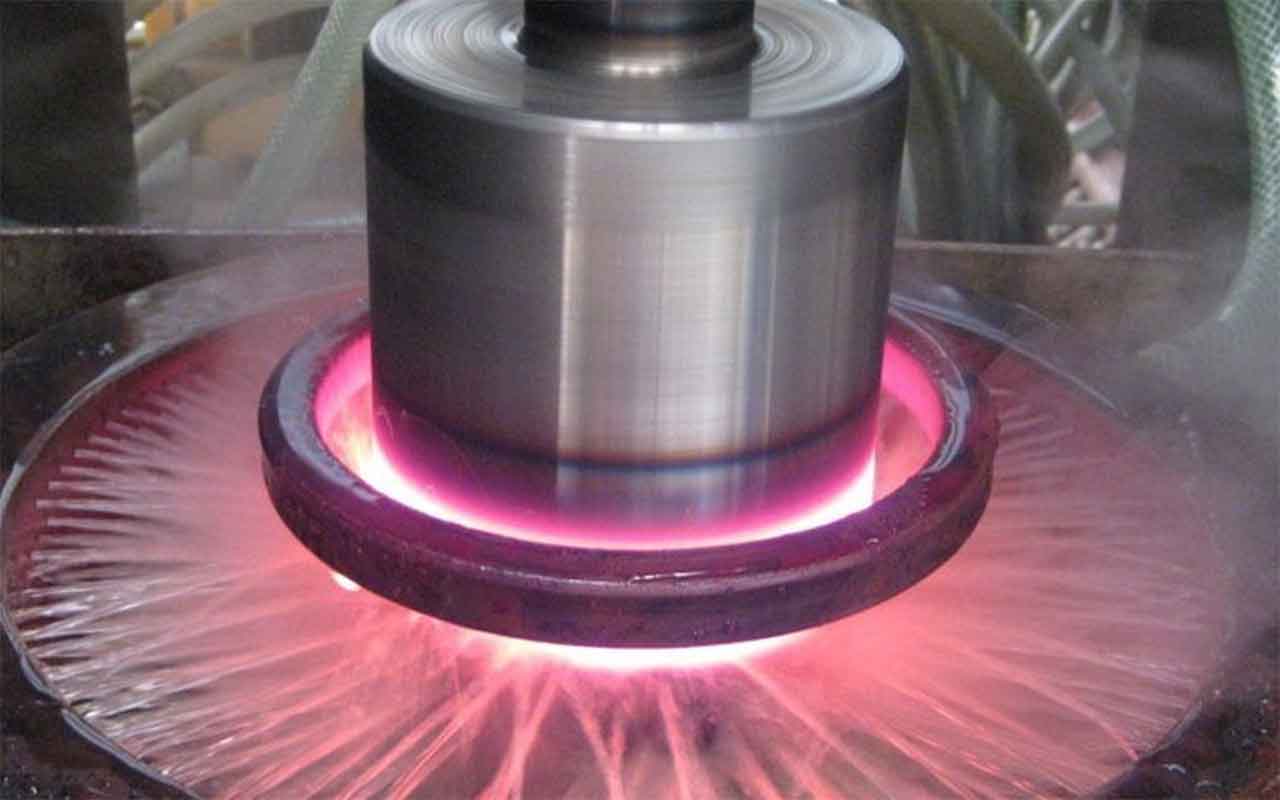
Shafts are the backbone of countless industrial systems—from automotive transmissions to heavy machinery gearboxes. Their performance hinges on one critical process: hardening. A subpar hardening job leads to premature wear, costly downtime, and even catastrophic failures. That’s where a shaft hardening machine comes in. Designed specifically for the unique geometry of shafts, this specialized equipment delivers uniform, controlled hardening that traditional methods can’t match.
In this comprehensive guide, we’ll break down everything you need to know about shaft hardening machines: how they work, their unbeatable advantages, key factors to choose the right one, real-world applications, and maintenance tips to maximize lifespan. Whether you’re producing crankshafts, camshafts, or industrial drive shafts, this guide will help you elevate your shaft hardening process from a bottleneck to a competitive advantage.
What Is a Shaft Hardening Machine, and How Does It Work?
A shaft hardening machine is a specialized induction heating equipment designed to harden the surface of cylindrical shafts (and similar components like axles and rods) while preserving the ductility of their core. Unlike generic heat treatment machines, it’s engineered to accommodate the long, cylindrical shape of shafts and ensure uniform heating around the circumference. The core technology behind most modern shaft hardening machines is induction heating, which offers unparalleled precision and efficiency. Here’s a step-by-step breakdown of the process:
- Workpiece Loading & Positioning: The shaft is loaded onto a rotating fixture (mandrel) that ensures it spins evenly during the process. This rotation is critical—without it, heating would be uneven, leading to inconsistent hardening.
- Induction Coil Alignment: A custom-designed solenoid or split induction coil surrounds the shaft (or specific sections of it, like journals or splines). The coil is shaped to maintain a consistent 1–3mm gap between the coil and the shaft’s surface—this gap directly impacts heating uniformity.
- Localized Heating: The machine’s power supply delivers high-frequency alternating current (10–100kHz) to the coil, creating a strong electromagnetic field. This field induces eddy currents in the shaft’s surface, generating heat rapidly (up to 200°C per second) to reach the critical hardening temperature (850–950°C for steel).
- Controlled Quenching: Immediately after heating, the shaft is sprayed with a quenching medium (water, oil, or polymer) via built-in nozzles. The quenching rate is precisely controlled to transform the surface microstructure into martensite—a hard, wear-resistant phase—while the core remains cool and ductile.
- Quality Inspection: Post-process, the shaft is checked for hardness (typically HRC 55–62 for industrial shafts), depth of hardening (0.5–3mm, depending on application), and dimensional stability to ensure it meets specifications.
Key Advantage: Unlike furnace hardening, which heats the entire shaft, a shaft hardening machine targets only the surface. This reduces distortion (a major issue with long shafts) and preserves the core’s toughness—critical for shafts that need to absorb impact while resisting wear.
Why Choose a Shaft Hardening Machine Over Traditional Methods?
Traditional shaft hardening methods (furnace, salt bath, flame heating) simply can’t keep up with the demands of modern manufacturing. Here’s why shaft hardening machines have become the industry standard:
| Performance Index | Shaft Hardening Machine (Induction Type) | Traditional Hardening Methods (Furnace/Flame/Salt Bath) |
|---|---|---|
| Hardness Uniformity | Less than ±1 HRC variation, uniform across the shaft surface | ±5 HRC variation, uneven heating causes inconsistent hardening |
| Processing Speed (1m Steel Shaft) | 2-3 minutes per piece | 2-3 hours per piece |
| Energy Efficiency | ≥85%, heat directly generated in the shaft surface | 30-40%, large energy loss to the environment |
| Shaft Distortion | Minimal, no additional straightening required | Significant, needs extensive grinding/straightening |
| Scrap Rate | 0.5-1%, high precision reduces defects | 10-15%, uneven heating leads to rework |
| Automation Degree | High, compatible with robot/PLC control for 24/7 operation | Low, mainly manual operation |
| Labor Cost | Low, 1-2 operators per production line | High, 4-6 operators per production line |
Key Applications of Shaft Hardening Machines
Shaft hardening machines are essential in any industry that relies on durable, high-performance shafts. Here are the most common applications:
1. Automotive Industry
The automotive sector is the largest user of shaft hardening machines, processing critical components like:
- Crankshafts: Hardening the journals (where bearings sit) to resist wear from constant rotation.
- Camshafts: Hardening the lobes (which actuate valves) for long-term durability.
- Drive Shafts & Axles: Hardening the surface to withstand the torque and load of vehicle operation.
2. Heavy Machinery & Construction
Shafts in construction equipment (excavators, bulldozers) and industrial machinery (conveyors, pumps) face extreme conditions. Shaft hardening machines ensure they can handle heavy loads and abrasion:
- Hydraulic Cylinder Shafts: Hardening the outer surface to resist scratches and corrosion from hydraulic fluids.
- Gearbox Shafts: Hardening splines and keyways to prevent wear during power transmission.
3. Aerospace & Defense
Aerospace components demand zero tolerance for defects. Shaft hardening machines deliver the precision needed for:
- Turbine Shafts: Hardening to withstand high temperatures and rotational speeds in jet engines.
- Landing Gear Shafts: Ensuring strength and durability for safe takeoffs and landings.
4. Agricultural Machinery
Farm equipment (tractors, harvesters) operates in dusty, corrosive environments. Shaft hardening machines protect shafts from wear:
- PTO Shafts (Power Take-Off): Hardening to handle the torque needed for implements like plows and mowers.
- Transmission Shafts: Ensuring long life in harsh agricultural conditions.
How to Choose the Right Shaft Hardening Machine (6 Critical Factors)
Not all shaft hardening machines are created equal. To select the perfect one for your needs, focus on these key factors:
1. Shaft Size & Capacity
Choose a machine that matches your shaft’s dimensions:
Length: Machines range from small tabletop models for shafts up to 500mm long to industrial models for shafts over 3m.
Diameter: Ensure the machine’s coil and fixture can accommodate your shaft’s diameter (typically 10–200mm for standard models).
Weight: Heavy shafts (over 100kg) require machines with robust loading systems (hydraulic or robotic).
2. Power Output & Frequency
Power (kW) and frequency (kHz) determine heating speed and hardening depth:
Power Output: Small shafts (e.g., automotive camshafts) need 10–30kW machines; large industrial shafts need 50–150kW.
Frequency: High frequency (50–100kHz) for shallow hardening (0.5–1mm, e.g., precision gears); low frequency (10–50kHz) for deeper hardening (1–3mm, e.g., drive shafts).
3. Coil Design & Customization
The coil is the heart of the machine—ensure it’s designed for your specific shaft:
Custom Coils: Look for manufacturers that offer custom coils for non-standard shafts (e.g., stepped shafts, splined shafts).
Split Coils: For large or long shafts, split coils (which open and close) make loading easier and faster.
4. Quenching System
Quenching directly impacts hardening quality:
Quenching Medium Compatibility: Ensure the machine supports your preferred medium (water, oil, polymer).
Adjustable Flow: Look for machines with adjustable quenching flow rates to tailor cooling to different shaft materials.
5. Automation & Control Features
For high-volume production, prioritize automation:
PLC Controls: Store recipes for different shaft types to reduce setup time and human error.
Real-Time Monitoring: Machines with temperature sensors and hardness feedback ensure consistent results.
Robotic Loading/Unloading: Integrate with robots for 24/7 operation.
6. Safety & Compliance
Safety is non-negotiable with high-temperature equipment:
Look for machines with overheat protection, emergency stop buttons, and coolant leak detection.Ensure compliance with international standards (CE, UL, ISO) for global markets.
Maintenance Tips to Extend Your Shaft Hardening Machine’s Lifespan
A well-maintained shaft hardening machine can last 15–20 years. Follow these tips to maximize reliability and minimize downtime:
- Maintain the Cooling System: The induction coil and power supply rely on coolant (water-glycol mixture) to prevent overheating. Check coolant levels daily, replace every 6 months, and clean the filter monthly to avoid clogs.
- Inspect Coils Regularly: Check for bent tubing, cracked insulation, or corrosion. Clean the coil’s surface with a soft brush to remove metal debris (which causes short circuits).
- Lubricate Moving Parts: Lubricate the rotating fixture, linear guides, and loading mechanism monthly to prevent wear.
- Calibrate Sensors Annually: Temperature and hardness sensors drift over time—calibrate them annually to ensure accurate readings.
- Train Operators Properly: Ensure operators understand proper loading, setup, and emergency procedures. Human error is the #1 cause of machine damage.
Real-World Success Story: How a Shaft Hardening Machine Transformed a Manufacturer
A mid-sized automotive parts manufacturer was struggling with flame-heated crankshafts: 12% scrap rate, 2-hour processing time per batch, and high energy costs. They invested in a 50kW shaft hardening machine with custom coils and robotic loading. The results were dramatic:
- Scrap rate dropped to 0.8% (thanks to uniform heating).
- Processing time cut to 15 minutes per batch (87.5% reduction).
- Energy costs reduced by 42% annually.
- Production capacity increased from 500 to 2,500 crankshafts per day.
- ROI achieved in just 8 months.
Final Thoughts: Invest in the Right Shaft Hardening Machine for Long-Term Success
A shaft hardening machine isn’t just an expense—it’s an investment in quality, efficiency, and profitability. By delivering precise, fast, and energy-efficient hardening, it solves the biggest pain points of traditional methods and helps you meet the growing demands of modern manufacturing.
Ready to find the perfect shaft hardening machine for your operation? Start by:
- Documenting your shaft specifications (length, diameter, material).
- Defining your production volume and automation needs.
- Partnering with a reputable manufacturer that offers custom coils and after-sales support.
Have questions about shaft hardening for your specific application? Leave a comment below, and our team of experts will help you find the right solution!
