
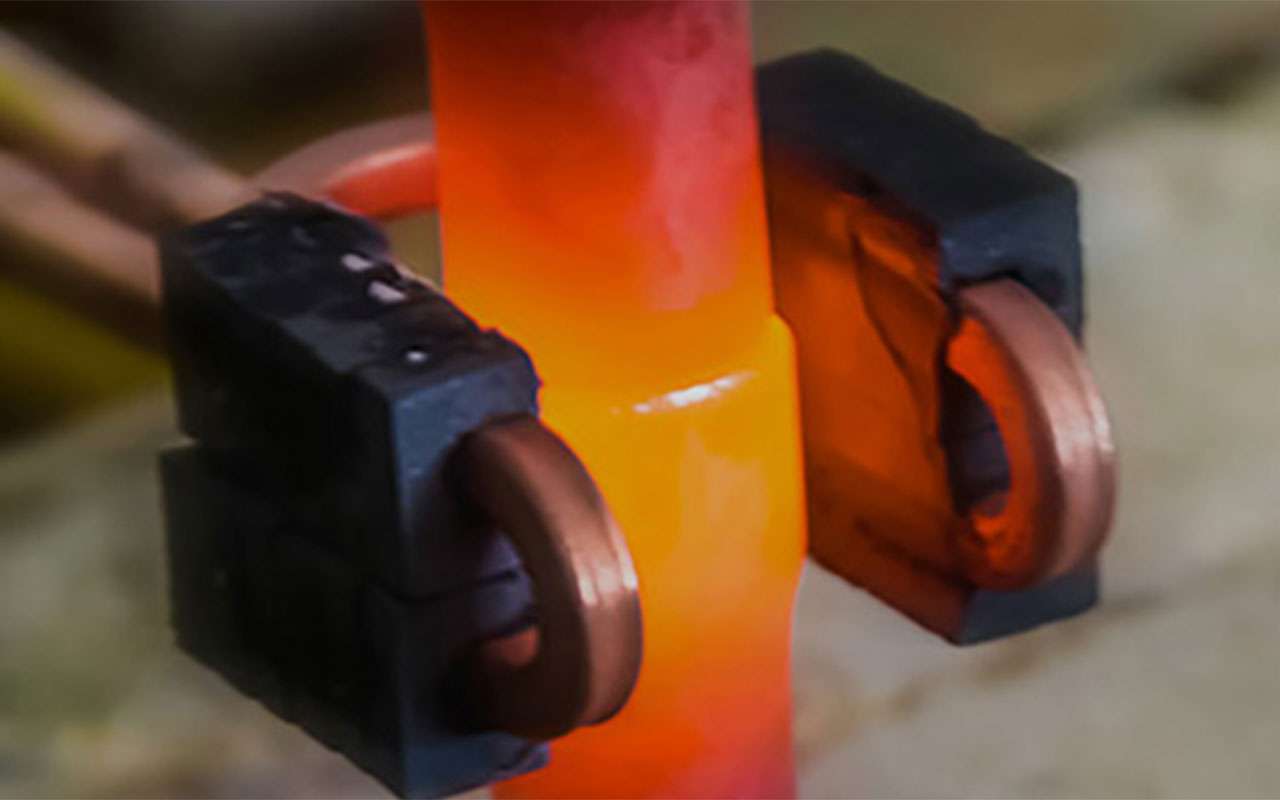
In the world of industrial heating, efficiency, precision, and sustainability aren’t just buzzwords—they’re make-or-break factors for businesses looking to stay competitive. Enter induction heating: a technology that has revolutionized how heat is generated and applied across countless sectors. Unlike traditional heating methods that rely on conduction or radiation (and waste significant energy in the process), induction heating uses electromagnetic fields to heat materials directly, delivering targeted warmth exactly where it’s needed. But what makes this technology truly game-changing is its induction heating application range—spanning from small-scale manufacturing to heavy industry, and even everyday consumer products. In this post, we’ll dive into the most impactful induction heating applications, why they’re replacing outdated methods, and how your business can leverage this technology to cut costs and boost performance.
What Is Induction Heating, and Why Does Its Application Matter?
Before we explore specific induction heating applications, let’s break down the basics. Induction heating works by passing an alternating current through a copper coil, creating a magnetic field around it. When a conductive material (like steel, aluminum, or copper) is placed within this field, eddy currents are induced in the material, generating heat internally. This process skips the “middleman” of heating a surface to transfer warmth—meaning less energy waste, faster heating times, and precise temperature control.
For businesses, the value of induction heating lies in its versatility. Whether you’re bonding components, hardening metal, or even cooking food, the technology adapts to diverse needs. And with global demands for energy efficiency and reduced carbon footprints growing, induction heating applications are becoming a priority for industries aiming to meet sustainability goals while improving productivity.
Top Induction Heating Applications Across Industries
Induction heating isn’t a one-size-fits-all solution—it’s a toolkit that can be tailored to specific tasks. Below are the most critical induction heating applications, organized by industry, to show how the technology is solving real-world problems.
1. Manufacturing & Metalworking: The Backbone of Induction Heating Applications
Metalworking is where induction heating first made its mark, and it remains one of the most common induction heating applications today. Traditional methods like flame heating or resistance heating often lead to uneven temperatures, material warping, and long cycle times—issues that induction heating eliminates.
-
Heat Treatment (Hardening & Tempering): Critical components like gears, bearings, and automotive parts require precise hardening to withstand wear. Induction heating delivers localized heat to specific areas (e.g., the teeth of a gear) without affecting the rest of the part, ensuring consistent strength and durability. This application is widely used in the automotive and aerospace industries, where component failure is not an option.
-
Brazing & Soldering: Joining metal parts with brazing requires controlled heat to melt filler metal without damaging the base material. Induction heating’s speed (heating in seconds rather than minutes) and accuracy make it ideal for electronics manufacturing (e.g., soldering circuit boards) and plumbing (joining copper pipes).
-
Hot Forging: Forging metal into shapes (like bolts or engine parts) requires heating materials to high temperatures. Induction heating preheats metals quickly and uniformly, reducing forging force and improving the final product’s quality. It also cuts down on fuel costs compared to gas-fired furnaces.
2. Automotive Industry: Driving Innovation with Induction Heating Applications
The automotive sector is a leader in adopting induction heating applications, thanks to its need for high-volume, high-precision production. From electric vehicles (EVs) to traditional combustion engines, induction heating plays a key role in manufacturing and maintenance.
-
Battery Production for EVs: EV batteries rely on tight, uniform bonding of components like electrode sheets and battery cells. Induction heating is used to seal battery packs and bond conductive materials, ensuring thermal stability and safety—critical for EV performance.
-
Welding Exhaust Systems: Exhaust components must be welded tightly to prevent leaks. Induction heating’s targeted heat allows for clean, strong welds on stainless steel exhaust parts, reducing corrosion and extending the system’s lifespan.
-
Engine Component Manufacturing: From camshafts to crankshafts, induction hardening ensures that engine parts can handle the stress of constant use. Automotive manufacturers report up to 30% faster production times with induction heating compared to traditional methods.
3. Food & Beverage: Safe, Efficient Induction Heating Applications
Induction heating isn’t just for heavy industry—it’s also transforming the food and beverage sector, where hygiene, speed, and consistency are top priorities. Unlike gas or electric stoves, induction heating surfaces stay cool to the touch, reducing the risk of burns and making cleanup easier.
-
Commercial Cooking: Restaurants, cafes, and catering companies rely on induction cooktops for fast, precise heating. Chefs can adjust temperatures instantly (from a simmer to a boil), reducing cooking times and energy use. Induction cooktops are also easier to clean than gas ranges, aligning with strict food safety standards.
-
Food Processing: In large-scale production, induction heating is used to pasteurize liquids (like milk or juice) and heat food products uniformly. It eliminates the risk of overheating and ensures compliance with food safety regulations, as there’s no direct contact between the heat source and the food.
-
Packaging Sealing: Induction sealing is a common application for food and beverage containers (e.g., plastic bottles or jars). The technology heats a metalized seal inside the container, creating an airtight barrier that preserves freshness and prevents tampering.
4. Medical & Dental: Precision Induction Heating Applications
In medical and dental fields, precision and sterility are non-negotiable—and induction heating delivers on both. Its ability to heat small, delicate components without damaging surrounding materials makes it a staple in these industries.
-
Dental Instrument Sterilization: Dental tools like drills and scalers require thorough sterilization. Induction heating is used in autoclaves to generate high-temperature steam quickly, ensuring that tools are free of bacteria and viruses.
-
Medical Device Manufacturing: Tiny components like surgical needles, pacemaker parts, and orthopedic implants require precise heat treatment to ensure biocompatibility and strength. Induction heating’s localized heat ensures that these components meet strict medical standards.
-
Physical Therapy: Induction heating is used in therapeutic devices to deliver deep heat to muscle tissues, relieving pain and promoting healing. Unlike traditional heating pads, induction-based devices target specific areas without overheating the skin.
5. Electronics: Miniaturization & Efficiency with Induction Heating
As electronics become smaller and more complex, induction heating applications have adapted to meet the demand for precise, low-temperature heating. From circuit boards to microchips, the technology ensures that delicate components are processed without damage.
-
Soldering Microelectronics: Soldering tiny components on circuit boards (like those in smartphones or laptops) requires precise heat control. Induction heating delivers focused warmth to the solder joint, preventing damage to nearby components and ensuring a strong bond.
-
Battery Charging: Wireless charging for smartphones and wearables uses induction heating principles. An induction coil in the charger creates a magnetic field that induces a current in the device’s coil, charging the battery without physical contact.
-
Semiconductor Manufacturing: Semiconductors require precise annealing (heating and cooling) to improve their electrical properties. Induction heating’s rapid temperature control makes it ideal for this process, reducing production time and improving chip performance.
Why Induction Heating Applications Outperform Traditional Methods
Across all these industries, induction heating applications stand out for three key reasons:
-
Energy Efficiency: Induction heating converts up to 90% of energy into usable heat, compared to 50-70% for gas or resistance heating. This cuts energy bills and reduces carbon emissions— a win for both businesses and the environment.
-
Speed & Precision: Induction heating heats materials in seconds, not minutes, and can target specific areas with pinpoint accuracy. This reduces production times and minimizes material waste.
-
Safety & Reliability: Since the heat is generated within the material (not the coil), induction heating surfaces stay cool, reducing the risk of fires and burns. The technology also requires less maintenance than traditional heaters, lowering downtime.
The Future of Induction Heating Applications
As technology advances, induction heating applications are only going to expand. Innovations like smart induction systems (with AI-driven temperature control) and portable induction heaters are making the technology more accessible to small businesses and new industries. In the renewable energy sector, for example, induction heating is being used to manufacture wind turbine components and solar panels, further cementing its role in a sustainable future.
For businesses considering adopting induction heating, the key is to identify the right application for their needs. Whether you’re in automotive manufacturing, food processing, or electronics, there’s an induction heating solution that can improve your operations.
Ready to Explore Induction Heating Applications for Your Business?
Induction heating isn’t just a trend—it’s a transformative technology that’s reshaping how industries generate and use heat. Its versatility, efficiency, and precision make it a smart investment for any business looking to stay ahead. If you’re curious about how induction heating applications can solve your specific challenges, reach out to our team of experts. We’ll help you assess your needs, recommend the right system, and unlock the full potential of induction heating.
Leave a comment below with your industry, and we’ll share tailored insights into how induction heating can work for you!
